Welcome to the Engine Pages
A comprehensive collection of stationary engine information, technical data, photographs, and community resources — curated by Peter & Rita Forbes in the United Kingdom.


Latest Content
Browse Index →
Engine Specifications & Data Tables
Overseas Engine Collections
Museum Pictures & Exhibits

External Resources & References
About Peter & Rita Forbes
Peter and Rita Forbes have been documenting stationary engines from their base in the United Kingdom since 1998. For practical engine maintenance, see our detailed guide on checking crankshaft runout with a dial indicator: Checking Crankshaft Runout with a Dial Indicator. Their website grew to encompass over 10,000 pages of information, tables, pictures, and data related to engines — making it one of the most extensive personal collections of stationary engine knowledge available online.
The site includes overseas trip reports, museum photographs, and links to other resources. It was hosted in the UK and built to work across major browsers including Internet Explorer, Netscape, and Opera.
Learn MoreThe world of stationary engines holds a quiet fascination for those who appreciate mechanical heritage. These engines, once the workhorses of farms, workshops, and small industries, represent an era when machinery was built to last and designed to be understood. Each engine tells a story of practical ingenuity, from the casting of its flywheels to the rhythm of its firing stroke. Collectors and enthusiasts are drawn not only to the engineering but also to the sense of connection with a bygone age of self-sufficiency and craftsmanship. Learn about a fascinating piece of engineering history in our article on the 1911 Middleton Special Engine and its three-machine run. The 1911 Middleton Special Engine And Its Three-Machine Run
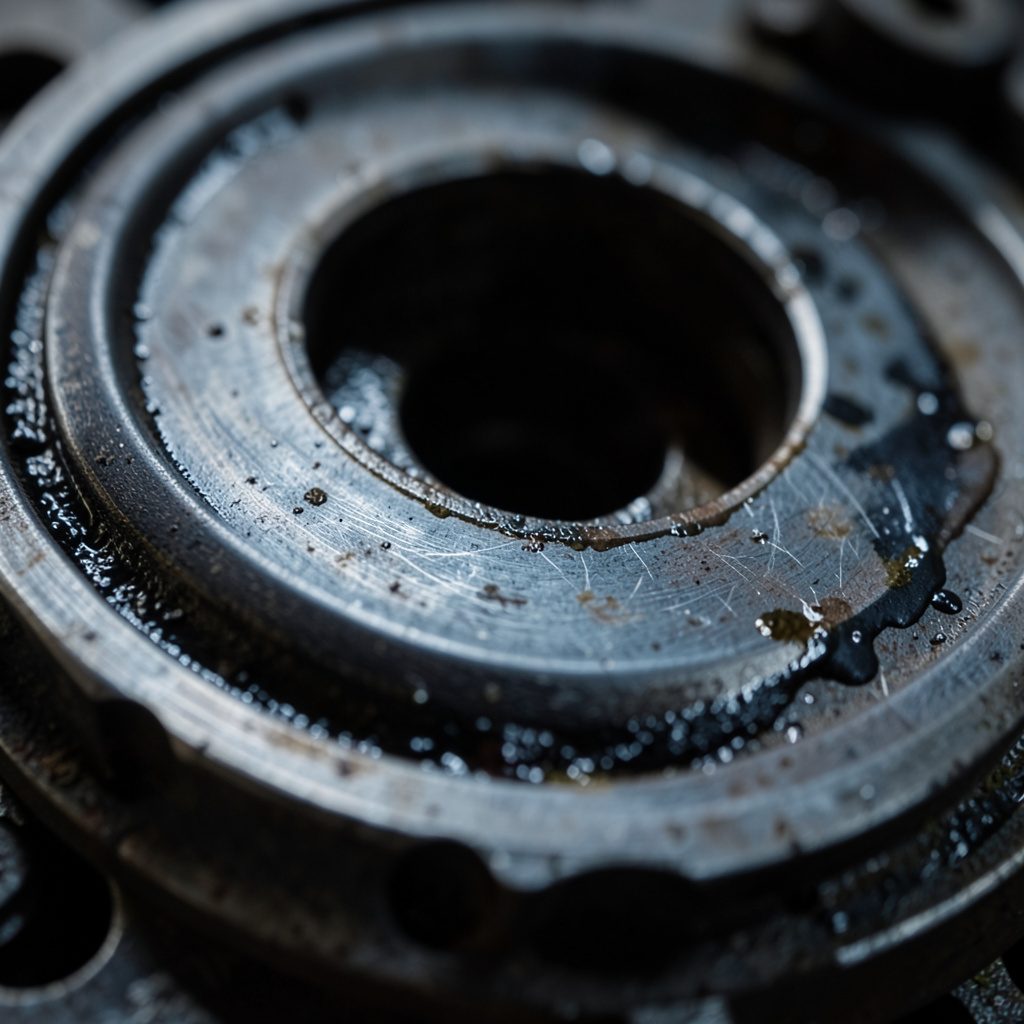
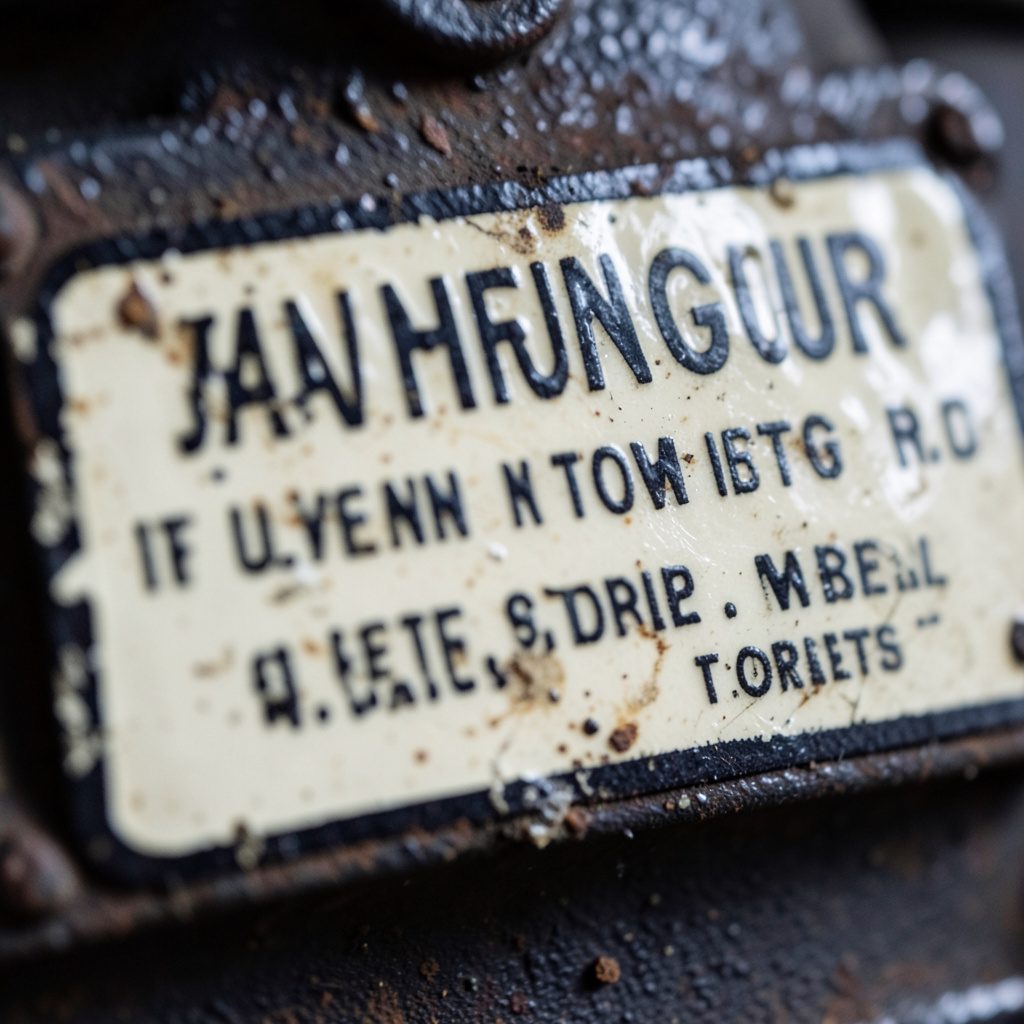
For a comprehensive listing of engine literature, explore our complete catalog of engine-related books in the Forbes reference library at A complete catalog of the engine-related books in the Forbes reference library. Photographs form an essential part of preserving stationary engine history. A well-composed image can capture the texture of aged cast iron, the gleam of a polished brass nameplate, or the quiet dignity of an engine resting in a museum display. The collection featured here spans many years of careful documentation, offering visitors a chance to study details that might otherwise go unnoticed. These images serve as both a visual archive and an inspiration for restorers seeking to bring their own engines back to life.
Technical data lies at the heart of any serious engine reference. Understanding bore and stroke dimensions, governor types, cooling arrangements, and ignition systems is essential for accurate restoration and operation. The compiled tables and specifications draw on decades of research, original manuals, and hands-on experience. By making this information freely accessible, the site aims to support the community of enthusiasts who keep these engines running for future generations to appreciate and study.
Museum visits offer an unparalleled opportunity to see stationary engines in context. Across the United Kingdom and beyond, dedicated volunteers maintain collections that showcase the diversity of British engineering. Trip reports from these visits provide a personal perspective on what can be discovered, from rare prototypes to beautifully restored everyday engines. Each report captures the atmosphere of the museum, the highlights of the exhibits, and the enthusiasm of the people who care for them.
The online forum serves as a gathering place for the stationary engine community. Here, newcomers and seasoned experts alike can exchange advice, share photographs of their latest projects, and discuss the finer points of engine identification. Questions about starting procedures, fuel mixtures, or replacement parts find answers from those who have encountered similar challenges. This spirit of mutual support reflects the collaborative nature of the hobby and helps preserve practical knowledge that might otherwise fade.
Navigating a large collection of engine information requires thoughtful organisation. The site is structured to help visitors browse by category, whether they are seeking technical specifications, photographic records, or reports from overseas trips. Regular updates ensure that new material is added and existing content refined, reflecting the ongoing nature of research and discovery in this field. A clear navigation system makes it easy to explore the many resources available without feeling overwhelmed.
Links to external resources extend the value of the site beyond its own pages. Other websites, specialist suppliers, and fellow collectors' galleries offer complementary perspectives and additional information. These connections help build a broader picture of the stationary engine world and direct visitors to further reading, parts sources, and events. The curated nature of these links ensures that they remain relevant and trustworthy, saving enthusiasts time in their own research.
The material presented on these pages is the result of personal dedication and careful compilation over many years. Every photograph, data table, and trip report reflects a genuine passion for stationary engines and a desire to share that enthusiasm with others. Copyright is respected throughout, and the digital signatures embedded in images provide a measure of protection for the original work. Visitors are encouraged to explore, learn, and contribute to the ongoing story of these remarkable machines.

Top Favourites
See All →
Lister Engine Data
Petter Specifications
Restoration Guides
Engine History